
Welcome to the Clinical Meditation Program!
Based on the Japanese clinical meditation program developed by Rev. Oshita Daien through nearly 40 years of work in applying meditation in clinical settings, we now offer an English version of the program.
Oshita Daien’s innovative system organizes myriad world meditation styles into four categories. So that rather than a one-size-fits-all application of meditation to needs of a patient or individual, meditation types can be better adapted to fit a person’s needs.
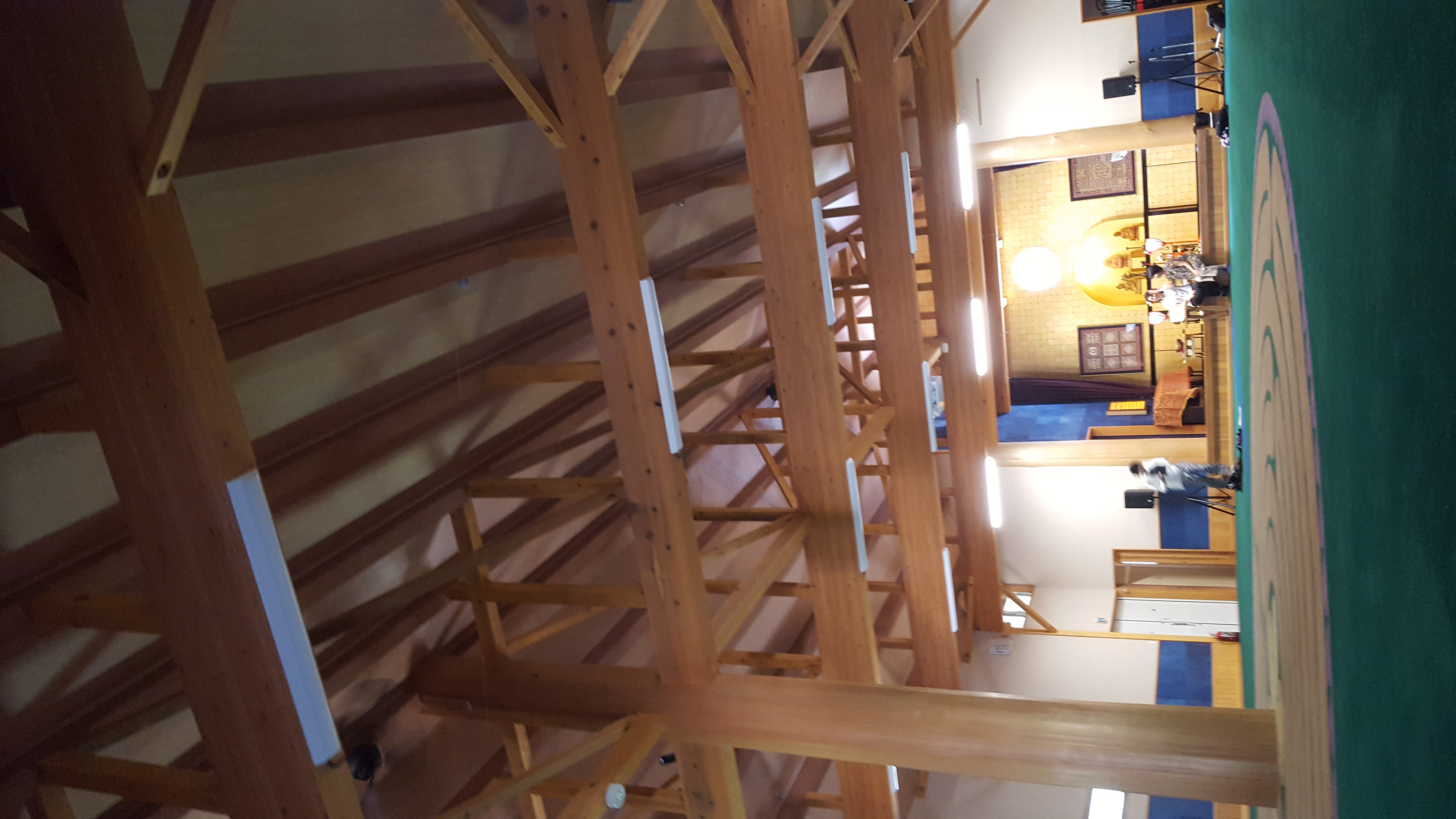
This component is the Preliminary Remote and Online portion of the training prior to arriving for the week-long retreat.
You are required to submit 7 total reflection papers and engage in the feedback. The first 4 are responses to each of 4 sections of meditation practice. The other 3 are responses to readings. All reflection papers should be 1-2 pages, double-spaced.
Meditation Reflections: Please submit one reflection after at least 10 sessions of meditation within each category of meditation. [In total, this will represent at least 40 days of meditation]. You can, of course, practice more, but this is considered the minimum for the program.
Reading Reflections: You are required to read the English sections of the “Introduction to the Clinical Meditation Method” as well as the independent writing sections briefly introducing Oshita Daien’s biography and his temple. These will provide you an introduction to some of the thought behind the program, as well as a little about its founder and the place where you will stay on retreat. It will introduce the basics about the development, applications, and studies that have already taken place in Japan. Different sections of reading may stand out to different participants, but please choose 3 aspects of the readings to respond to as you progress.
These responses are pragmatic in both offering you a chance to reflect on the program and how it relates to you personally, as well as your progress as you begin to grow more familiar with it. But it also offers program leaders a window into your thoughts and reactions as you go along, and a chance to respond and give feedback that might help you develop your path (whether directly in meditation or in the various ways you might conceive of applying it) before arriving for the more intensive retreat training.
Meditations:
Section 1: Loosening and Relaxing
This section may be the most basic, but is also the most fundamental. Any of us helping to guide or lead others in meditation must also ensure that we ourselves are calm to provide that base for another. For those with more meditation experience, you may combine this with more from the observation section, for if we are truly aware of our minds and bodies, unless we are perfect Buddhas, there is always a deeper level of calm to find. What is that? How do we get there?
But also, since this program is not only about our own calm, but about introducing methods to another, this is a good opportunity to step a little out of your comfort zone and try something new. Because the more relaxation techniques we know, the more options and tools we have at our disposal to fit a patient’s/client’s needs. Try some different styles of breathing, some different styles of walking. You may stick to those over your 10 days. But you are also welcome to try other forms of moving meditation like yoga or tai chi as long as you approach it with a contemplative/meditative mindset and that it can be a tool of mindful relaxation.
Video: Introduction to Clinical Meditation Program and Meditation Fundamentals
Video: A basic relaxation meditation
Video: Fundamentals of walking meditation
Optional Video: Meditating with the “Four Noble Truths” and “Right Mindfulness” (this video can also be used for section two)
Section 2: Observing
This section on observing meditations builds off the first and the two can also often be done in concert with each other. Observing relates to paying attention to our experience at ever deeper levels. What are our bodies and minds actually experiencing? How can we step outside ourselves to a degree and objectively view what we are doing, what we are feeling? This of course, also relates to that common word “mindfulness,” but as we see, this can be done myriad different ways. This section aims to at least help work on some of those various ways that we can be more observant of our bodies and minds.
Video: Meditating with the “Four Noble Truths” and “Right Mindfulness” (this video is listed above as well, and you may use it in both sections of the program – the depth at which these practices may be done can work for beginners or very advanced practitioners)
Video: Body scan Meditation (guided meditation)
Video: Body scan meditation notes (this video provides some optional alterations and important considerations to keep in mind for body scan meditations)
Video: Observation meditation options (This video is not a guided meditation, but describes a variety of observation meditations you are welcome to try)
Section 3: Energizing
Sometimes there is a misconception that meditation is always slow and relaxing. But many meditations can also energize, uplift, and invigorate. Some meditations may even literally help provide a sense or perception of different types of ‘energy.’ This category encapsulates this variety. Often these meditations can be complex or advanced compared to the previous categories, but not necessarily so. There are also very basic and fundamental energizing meditations that can be applicable for times when we are fighting drowsiness and need to pick up our energy levels. They may also be appropriate for people who struggle with slow or quiet meditations, or good for visual learners who enjoy visualizations.
Video: Mantra, Sound, and Colors (This meditation utilizes syllables as mantras, and focuses on the vibrations of sound and color in the body, as well as adding meaning to some of these sounds and colors for more in-depth visualizations. The video is partly guided meditation, but also offers many options within to adapt and try your own future meditation sessions)
Video: Loving-Kindness and Light (This guided meditation is one type of loving-kindness meditation that also involves plenty of light visualizations, beginning with self love and self-care, before stretching intentions out to the world around.)
Video: Compassion Figure Visualization [Kannon] (This is a figure visualization exercise. It utilizes a Buddhist figure of compassion. However, as stated in the video, you are welcome to choose a figure of your choice that best represents compassion to you. You may set that image up somewhere readily visible for the meditation. Or you may picture it within your mind. The image within the video is a particular form of “Kannon” called “1000-eye 1000-arms Kannon” whose thousand eyes represent seeing, witnessing, and acknowledging all beings in the world and all forms of suffering. The thousand arms then represent a pure compassion that adapts to the needs of each individual)
Section 4: Unifying and Releasing
This meditation category often deals with “the cosmos” “the great beyond” “oneness” or “something greater than ourselves.” It deals with melding ourselves to a greater whole. However, an additional element can be aspects of profoundly deep release that can occur because of the heightened concentration and/or the feeling of vast connection and the outlet that provides. Many forms of these meditations can be more advanced, but some of the visualizations can also be helpful for beginners, especially those in painful clinical situations who need to ‘get out of their body’ – these meditations can ultimately provide tools to focus blissfully elsewhere.
Video: Unifying Meditations: Introduction and Descriptions (This video provides both [a] an introductory description of the unifying and releasing meditations and [b] descriptions of how to do a couple of the exercises. However, before trying the exercises described in the latter parts of this video, it is best to practice with the guided meditation also provided within this 4th section of the meditation program.)
Video: Nature Meditation (This guided meditation from the 4th category can be especially effective when done out in nature: in a forest, in the mountains, near a waterfall, at a park, etc. However, it is not required and the meditation can also be done in the privacy of one’s own room, a meditation hall or other indoor facility. You may take the recording or stream it out somewhere in nature, or you may familiarize yourself with the meditation before going out into nature to do it without the recording. Also, most aspects of this meditation can be applied to the other two meditations in this category.)